Visiting Venice is one of the most intense and memorable experiences you can have. A unique city, suspended on water, inviting you to discover it step by step, amidst bridges, narrow streets, and the slow glide of vaporetti along the Grand Canal. Finding yourself facing the spectacular lagoon as soon as you step out of Santa Lucia station is a thrill hard to match; yet, choosing one of Venice's most beautiful neighborhoods as your base for your stay offers another, enormous advantage: the opportunity to embark on fascinating day trips to the mainland.
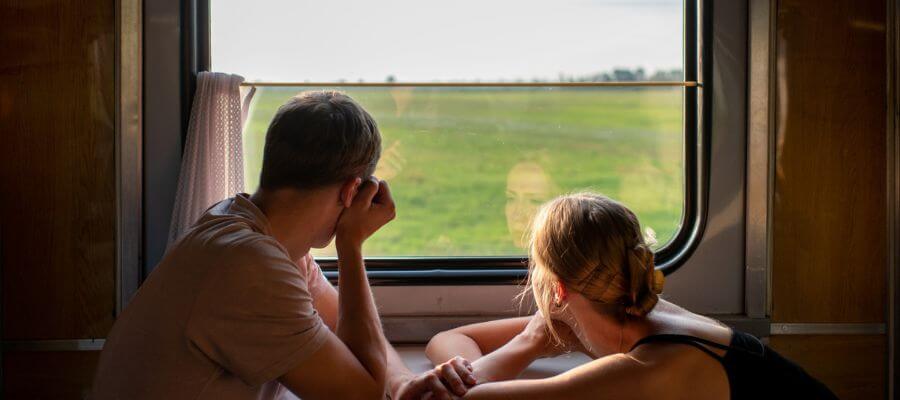
The Veneto rail network is extensive, frequent, and efficient: it allows for complete freedom of movement, making the train the ideal tool for authentic, hassle-free slow travel. At every stop, the landscape changes, from the skyline of art cities to the rolling volcanic hills, to the tranquil riverbanks dotted with patrician residences.
Enjoying the comfort and warmth of a private apartment in the heart of Venice, with its own pace, the quiet of the evenings when the daytime crowds thin out, and the freedom to feel at home, allows you to combine the charm of the lagoon with short escapes to the surrounding area. Here are the best stops for a day trip from Venice by rail, strictly within the Veneto region.
A train to Padua: the enchantment of fourteenth-century painting and the rites of the historic centre
Less than 20 minutes away by fast regional train or Freccia, Padua is one of the most accessible and fascinating destinations, and the Padua-Venice tour is always a fantastic combination for your weekend. From the station, a pleasant walk or a short ride on the city tram takes you straight to the beating heart of the city of the three withouts: the Saint without a name (Sant'Antonio), the Meadow without grass (the monumental Prato della Valle), and the Café without doors (the historic Caffè Pedrocchi).
Padua is home to 14th-century fresco cycles, a UNESCO World Heritage Site. A must-see is the Scrovegni Chapel, where Giotto's genius forever revolutionized the history of Western art. Beyond Padua's Gothic architecture, let yourself be swept away by its authentic atmosphere: immerse yourself in Piazza delle Erbe and the city center streets, among the porticoes of the Palazzo della Ragione and the ancient covered market where you can stop for a glass of local wine accompanied by traditional cheeses and cured meats.
And don't forget the aperitivo ritual: before catching your train, remember to celebrate your visit to Padua with a spritz or a coffee at Caffè Pedrocchi. Enjoy the famous mint coffee served with velvety cream and cocoa, a worthy end to a refined day.
Towards Treviso: the elegant city of water and the gentle charm of the Marca
Taking the train north, it only takes about thirty minutes to reach Treviso, a small jewel of Venetian elegance where water is as prominent as in Venice, but with a completely different, intimate and secluded feel. Here, the Botteniga River winds through the narrow streets of the historic center, splitting into branches and canals that flow peacefully past ancient wooden mill wheels and buildings with noble frescoed facades.
Strolling through Treviso is an invitation to slow down. The Buranelli Canal offers one of the most romantic views in the entire Veneto region, with its porticoed houses mirrored in the water, while the Isolotto della Pescheria offers an authentic glimpse of daily city life. Continuing along the cobbled streets, you arrive in the elegant Piazza dei Signori, dominated by the 13th-century Palazzo dei Trecento. Then, walking along the Calmaggiore, you'll discover the famous and curious Fontana delle Tette, a symbol of the Renaissance city's abundance and hospitality.
A visit to Treviso wouldn't be complete without honoring its culinary excellence. This is where tiramisu, the world's most beloved Italian dessert, was born, and there's nothing better than stopping in one of the historic trattorias sheltered by the porticoes to enjoy a creamy portion accompanied by a glass of local wine before getting back on the train toward the lagoon.
The Brenta Riviera: the splendor of patrician vacations between Dolo and Mira
For centuries, the Brenta Canal was a natural extension of the Grand Canal into the countryside, the preferred waterway along which Venetian nobles traveled aboard their Burchiello boats to spend the warm months at their summer residences. Today, this historic and scenic heritage is conveniently accessible by train, alighting at local stops like Dolo or Mira-Mirano, just twenty minutes from Venice Santa Lucia.
Arriving in Dolo means immersing yourself in an atmosphere of times gone by, seemingly lifted straight from a Canaletto painting. The village center revolves around the sixteenth-century mill complex and the ancient squero, the shipyard where riverboats were once repaired. Strolling along the riverbanks offers a pleasant sense of serenity, surrounded by picturesque views and lush nature.
line the Riviera . Among the most spectacular is Villa Pisani in Stra, the queen of the Venetian Villas, renowned for its immense monumental park with its hedge maze and the spectacular frescoes by Giambattista Tiepolo in the ballroom. Visiting these places offers a deeper understanding of the roots of Venetian culture, experiencing firsthand the majesty of a civilization that combined monumental art with the gentleness of the rural landscape.
Euganean Spas and Monselice: the volcanic greenery of the hills and the medieval village
Boarding a train headed south toward Bologna, in less than fifty minutes the flat profile of the plain suddenly gives way to the unmistakable conical silhouettes of the Euganean Hills. This unique hilly oasis of volcanic origin is the ideal destination for those seeking a day dedicated to nature, wellness, and medieval history, perfectly accessible through its train stations.
Getting off at the Terme Euganee – Montegrotto – Abano brings you to the heart of Europe's oldest spa town, a strategic starting point for enjoying a few hours of relaxation amid the beneficial steam and thermal waters, or for renting a bike and riding along the easy, flat paths that skirt the first wooded hills.
A short train ride takes you to Monselice, a charming fortified village dominated by the Colle della Rocca. From the station, it's just a few minutes' walk to the historic center and the climb up the monumental road to the Santuario delle Sette Chiesettethe Seven Churches), past the evocative Cini Castle, which houses sumptuous period furnishings and an extraordinary medieval armory. The panoramic view from the top is worth every step, allowing you to gaze across centuries-old vineyards and olive groves, home to unique delicacies such as the local extra virgin olive oil and the fragrant Fior d'Arancio DOCG.
Verona: the elegance of the Scaligeri family and the romance of the Adige River
For those who want a slightly longer journey without sacrificing the convenience of a direct line, Verona can be reached in about an hour and a quarter by fast regional trains, or in just an hour by Freccia.
From Porta Nuova station , a tree-lined avenue leads pleasantly towards the city's entrance gates and offers a view of the majestic Piazza Bra.
Standing before theVerona Arena, the perfectly preserved thousand-year-old Roman amphitheater, is a breathtaking sight, recounting centuries of spectacle and excitement. From here, you can take Via Mazzini, the pedestrian avenue paved in pink Valpolicella marble, to reach Piazza delle Erbe, the beating heart of the ancient Roman and medieval city, a lively meeting place dominated by the Torre dei Lamberti and the aromas of the market stalls.
Verona captivates with its romantic and theatrical atmosphere, which extends from Juliet's legendary House to the curved banks of the Adige River and its historic bridges. Walking toward the fortified complex of Castelvecchio and crossing the scenic crenellated Ponte Scaligero, or pushing on to the ancient Ponte Pietra to climb on foot or by funicular to Colle San Pietro , you can enjoy an unforgettable sunset over the city's red rooftops and bell towers, before returning by train to the magical evening of the lagoon.
The pleasure of leaving light and returning home to Venice
Organizing these getaways by train from Santa Lucia Station offers priceless ease: there are no traffic problems, complicated connections to manage, or parking to find, because regional connections are frequent throughout the day and tickets can be conveniently purchased online in just a few moments. You travel with only the bare essentials, comfortable shoes, and the desire to be amazed by the many facets of the Veneto mainland.
But perhaps the most exciting aspect of this way of traveling is the return journey. After a day spent among Giotto's masterpieces, the silence of the river, or medieval views, boarding the train again and seeing through the porthole the bridge spanning the lagoon that leads back to the Santa Lucia station is heart-pounding. Returning to the quiet of your Venetian home as evening falls, when the lagoon regains its intimate silence and the golden reflections of the streetlights dance across the canals, confirms you've chosen the most authentic and comfortable way to experience the Veneto. These are just a few ideas; there are so many extraordinary places to see near Venice, and they await you.
Plan your stay in Venice now and set off on your favorite daily adventure!

